Category: public

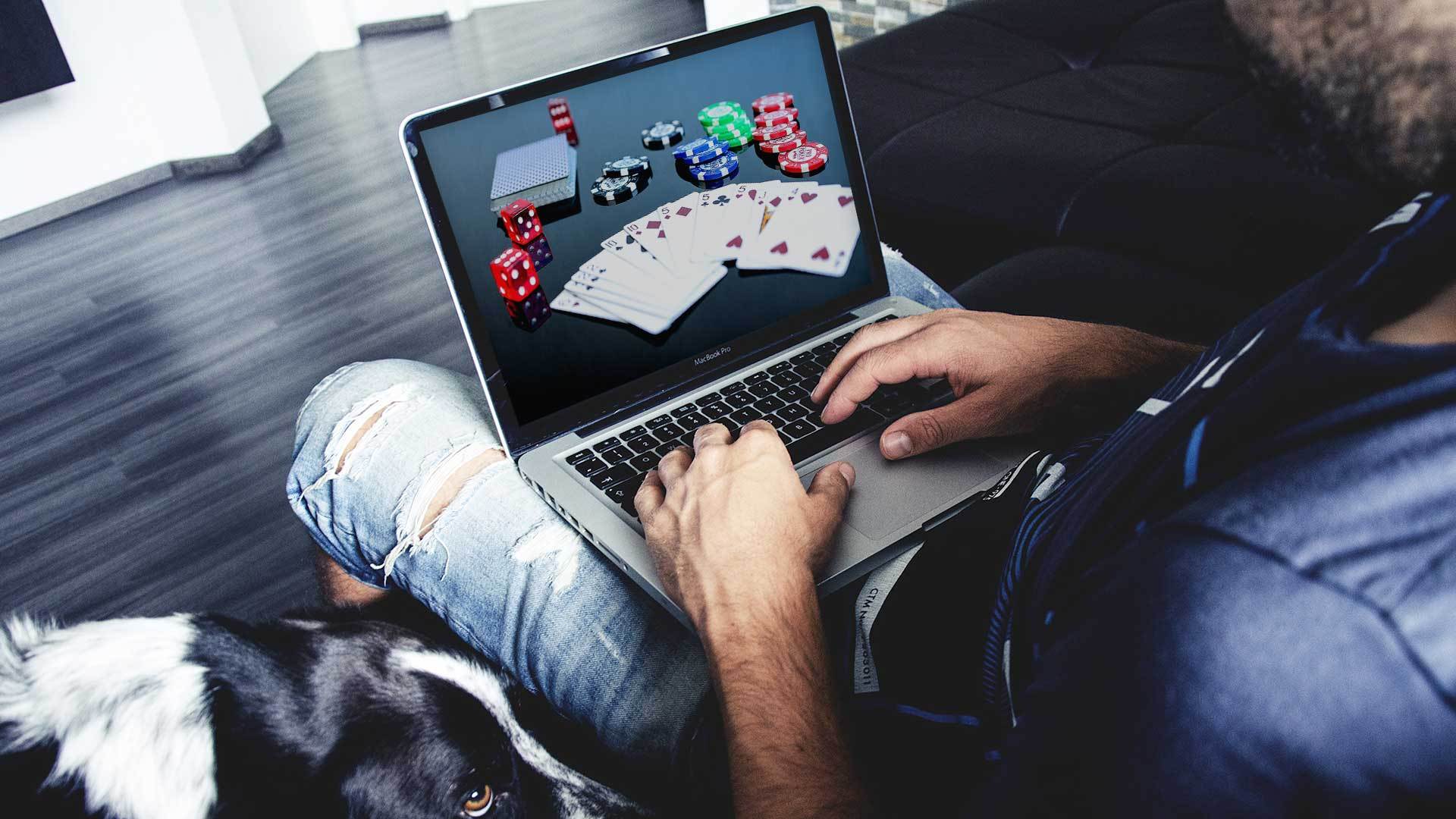
  • Unveiling the hidden costs of playing in a casino


    The Allure of Casinos: What Attracts Players

    Casinos are designed to be enticing environments, filled with bright lights, comforting sounds, and an atmosphere of excitement that draws players in. Many individuals are captivated by the chance to win big, creating a sense of hope and anticipation. This allure is a significant aspect of the casino experience, leading players to overlook the various costs associated with their gaming adventures, especially at a fast withdrawal online casino canada where quick wins can feel even more thrilling. With the thrill of the game comes the potential for unexpected expenses, both monetary and emotional.

    Players often find themselves captivated by the glamorous lifestyle depicted in movies and advertisements, leading to unrealistic expectations about their potential winnings. This often translates into a willingness to spend more money than initially intended, which can create a dangerous cycle of chasing losses. As players engage more deeply in the casino environment, they frequently ignore practical budgeting, which can result in significant financial ramifications over time.

    Moreover, the social environment of casinos plays a crucial role in attracting players. Many people view gambling as a form of entertainment, a way to spend time with friends or make new connections. However, this social aspect can also lead to overspending, as individuals may feel pressured to keep up with their peers or engage in activities they otherwise would not indulge in. Ultimately, understanding the factors that draw people to casinos is essential in recognizing the hidden costs involved.

    Understanding the Financial Implications

    One of the primary hidden costs of playing in a casino is the money spent on games. While players may enter with a specific budget, the immersive nature of casinos can lure them into spending much more than they planned. Players might justify this by thinking they can make back their losses, but the reality is that the house always has an edge. This imbalance in odds can lead to a frustrating cycle of financial loss that players often fail to recognize until it is too late.

    Additionally, there are other financial considerations that can emerge from the casino experience. Many casinos offer complimentary drinks to encourage longer play, which can create a false sense of security regarding budgeting. With alcohol consumption, players may not fully grasp how much they are spending as they indulge in drinks while gambling. This combination often leads to excessive expenditure, further complicating their financial situation.

    Another hidden cost comes from the temptation of ancillary services and amenities. Casinos often feature upscale dining, entertainment shows, and luxury accommodations that entice players to spend beyond their gaming budgets. For those who venture to enjoy these offerings, the cumulative costs can be staggering. Therefore, it’s crucial for players to factor in these additional expenses to gain a clearer picture of their total potential spending during their casino visits.

    The Emotional Toll of Gambling

    Gambling may appear to be a game of chance, but the emotional toll it can take is very real. Players often experience a range of feelings, from excitement and joy during wins to frustration and despair during losses. This rollercoaster of emotions can lead to stress and anxiety, as individuals grapple with their financial situations and the potential consequences of their gambling habits. The emotional cost is a significant aspect that many players fail to consider before engaging in casino gaming.

    Moreover, the thrill of winning can create a powerful psychological addiction. Players may chase the “high” of winning, which can lead them to ignore the negative consequences of their gambling. Over time, this can develop into problem gambling, where individuals find it increasingly challenging to control their urges to play. This mental struggle can impact other areas of life, including relationships, work performance, and overall well-being.

    Additionally, the shame and guilt that often accompany gambling losses can weigh heavily on individuals. Many players may feel isolated, believing they are the only ones facing these issues. This can prevent them from seeking help or discussing their struggles with friends or family. Recognizing the emotional costs of gambling is essential for players who aim to maintain a healthy relationship with gaming and avoid the pitfalls that can arise from excessive play.

    Opportunity Costs of Time Spent Gaming

    One often overlooked hidden cost of playing in a casino is the opportunity cost associated with time spent gambling. Individuals may invest hours, if not days, at casinos, which can detract from other valuable activities. Time spent at a casino could be used for building relationships, pursuing hobbies, or advancing professional skills. The cumulative effect of these lost hours can significantly impact a person’s quality of life and future opportunities.

    The time commitment involved in gambling can lead to a downward spiral where individuals prioritize their gaming over essential aspects of daily life. For example, someone may skip work or neglect family commitments to spend time at a casino. This not only impacts their immediate relationships but can also have lasting ramifications on their career trajectory and personal development. As life goals are put on hold, individuals might find themselves stuck in a cycle of gambling that overshadows alternative pursuits.

    Furthermore, the longer players remain engaged with gambling, the more they risk their mental and emotional health. This prolonged focus on gaming can create feelings of regret and sadness, especially when players realize what they have sacrificed for the sake of entertainment. Consequently, assessing the opportunity costs can provide valuable insight into whether gambling is genuinely worth the time and effort compared to more productive activities.

    Responsible Gaming and Finding Support

    Understanding the hidden costs of casino gaming is crucial for developing a responsible gaming strategy. Players must be aware of the financial, emotional, and time-related implications of their actions and create a sustainable gambling plan that outlines budget limits and timeframes. Approaching gambling with mindfulness can help mitigate the adverse effects and enhance the enjoyment of the experience without succumbing to detrimental habits.

    Support systems play a pivotal role in promoting responsible gaming behaviors. Sharing experiences and challenges with trusted friends or family members can provide players with perspective and accountability. Various organizations also offer resources and programs to help individuals struggling with gambling-related issues. Engaging with these communities can inspire a healthier approach to gaming and ensure that players remain in control of their habits.

    Ultimately, recognizing the hidden costs associated with playing in a casino empowers individuals to make informed decisions about their gaming experiences. By prioritizing their well-being and developing a responsible gambling approach, players can continue to enjoy the thrill of the game without succumbing to the pitfalls that often accompany casino gaming.


  • Як почати грати в Rino Казино: прості кроки для новачків


    Грати в онлайн-казино – це захоплюючий досвід, який надає можливість насолоджуватися різноманітними іграми прямо з дому. Багато новачків пропускають важливі кроки, намагаючись зануритися у світ азарту. У цій статті ми розглянемо, як якісно розпочати свою подорож в казино, зокрема, на платформі rino-casino.in.ua , що цінує надійність та швидкий доступ до ігор.

    Практичний підхід до гри в казино

    Сучасні онлайн-казино пропонують широкий вибір ігор, зокрема слоти, настільні ігри та ігри з живими дилерами. Важливо зрозуміти, як правильно почати грати, щоб максимально насолодитися цим досвідом. Первинним завданням є знайти надійну платформу, яка відповідає вашим потребам. Це дозволить вам не лише безпечно грати, але й отримувати задоволення від різноманітності ігор та бонусів.

    На сьогоднішній день існує безліч варіантів казино, але важливо вибирати ті, які мають відповідні ліцензії та пропонують швидкі виплати. Наприклад, казино, яке ми розглядаємо, забезпечує високу швидкість виплат та широкий асортимент ігор, включаючи понад 2000 слотів.

    Як почати грати в казино

    Якщо ви готові спробувати себе в азартних іграх, скористайтеся наступними простими кроками для успішного старту.

    1. Створіть обліковий запис: Відвідайте веб-сайт казино та зареєструйте свій профіль, заповнивши необхідні дані.
    2. Перевірте ваші дані: Підтвердження особистих даних може зайняти деякий час, але це важливий крок для забезпечення безпеки.
    3. Зробіть депозит: Виберіть зручний метод оплати та внесіть перший депозит, починаючи від 100 ₴.
    4. Виберіть гру: Огляньте каталог ігор та виберіть ту, що вам найбільше подобається.
    5. Почніть грати: Запустіть гру та насолоджуйтесь процесом.
    • Швидка реєстрація у декілька кроків.
    • Підтвердження даних для вашої безпеки.
    • Різноманітні методи платежів для зручності.

    Практичні деталі гри в казино

    Одним із ключових аспектів гри в казино є розуміння правил кожної гри, з якою ви плануєте грати. Більшість онлайн-казино пропонують безкоштовні версії ігор, що дозволяє новачкам навчитися без ризику втрати грошей. Це прекрасна можливість ознайомитися з механікою гри та знайти свої улюблені формати.

    Також варто звернути увагу на бонуси, які пропонують онлайн-казино. Багато платформ надають привітальні бонуси, безкоштовні обертання та інші акції, які можуть значно підвищити ваш банкролл. Наприклад, є можливість отримати бонуси на перший депозит, що дозволяє вам грати більше без додаткових витрат.

    • Безкоштовні версії ігор для тренування.
    • Привітальні бонуси та акції для нових гравців.
    • Кількість ігор та форматів на вибір.

    Завдяки такій різноманітності, ви можете легко знайти гру, яка підійде саме вам, та розпочати свою азартну подорож.

    Основні переваги гри в онлайн-казино

    Ігри в онлайн-казино мають безліч переваг, які роблять їх привабливими для гравців. По-перше, це зручність — ви можете грати в будь-який час і з будь-якого місця. По-друге, доступ до великої кількості ігор забезпечує різноманітність і можливість вибору. На платформі, яку ми розглядаємо, ви знайдете більше 2000 слотів, а також живі ігри з реальними дилерами.

    • Зручність гри з дому.
    • Великий вибір ігор на будь-який смак.
    • Можливість вигравати реальні гроші.
    • Регулярні акції та бонуси для гравців.

    Ці фактори роблять онлайн-казино привабливими для широкого кола гравців, які шукають нові враження.

    Довіра та безпека в казино

    Коли мова йде про онлайн-казино, безпека є критично важливим аспектом. Вибираючи казино для гри, переконайтесь, що воно має відповідні ліцензії, такі як ліцензія Curacao eGaming, яка гарантує дотримання стандартів безпеки. Також звертайте увагу на методи оплати, які пропонує казино.

    Надійні платформи забезпечують швидкі виплати та прозорі умови гри. Наприклад, можливість зняття коштів до 50,000 ₴ на день з швидкістю виплат від 5 хвилин до 24 годин є великим плюсом для гравців.

    Чому варто вибрати онлайн-казино

    Вибір онлайн-казино — це важливе рішення, яке вплине на ваш досвід гри. Основним критерієм має бути надійність платформи, а також її пропозиції. Онлайн-казино, яке ми обговорюємо, відзначається швидкими виплатами, різноманіттям ігор і щедрими бонусами. Ці фактори забезпечують гравцям безпечний та приємний досвід.

    Не бійтеся експериментувати з різними іграми та користуватися акціями, щоб максимально використовувати вашу азартну подорож. Важливо завжди грати відповідально та знати свої межі.

  • Coronavirus disease 2019

    COVID-19 is a contagious disease caused by the coronavirus SARS-CoV-2. In January 2020, the disease spread worldwide, resulting in the COVID-19 pandemic.

    The symptoms of COVID‑19 can vary but often include fever,[7] fatigue, cough, breathing difficulties, loss of smell, and loss of taste.[8][9][10] Symptoms may begin one to fourteen days after exposure to the virus. At least a third of people who are infected do not develop noticeable symptoms.[11][12] Of those who develop symptoms noticeable enough to be classified as patients, most (81%) develop mild to moderate symptoms (up to mild pneumonia), while 14% develop severe symptoms (dyspnea, hypoxia, or more than 50% lung involvement on imaging), and 5% develop critical symptoms (respiratory failure, shock, or multiorgan dysfunction).[13] Older people have a higher risk of developing severe symptoms. Some complications result in death. Some people continue to experience a range of effects (long COVID) for months or years after infection, and damage to organs has been observed.[14] Multi-year studies on the long-term effects are ongoing.[15]

    COVID‑19 transmission occurs when infectious particles are breathed in or come into contact with the eyes, nose, or mouth. The risk is highest when people are in close proximity, but small airborne particles containing the virus can remain suspended in the air and travel over longer distances, particularly indoors. Transmission can also occur when people touch their eyes, nose, or mouth after touching surfaces or objects that have been contaminated by the virus. People remain contagious for up to 20 days and can spread the virus even if they do not develop symptoms.[16]

    Testing methods for COVID-19 to detect the virus’s nucleic acid include real-time reverse transcription polymerase chain reaction (RT‑PCR),[17][18] transcription-mediated amplification,[17][18][19] and reverse transcription loop-mediated isothermal amplification (RT‑LAMP)[17][18] from a nasopharyngeal swab.[20]

    Several COVID-19 vaccines have been approved and distributed in various countries, many of which have initiated mass vaccination campaigns. Other preventive measures include physical or social distancing, quarantining, ventilation of indoor spaces, use of face masks or coverings in public, covering coughs and sneezes, hand washing, and keeping unwashed hands away from the face. While drugs have been developed to inhibit the virus, the primary treatment is still symptomatic, managing the disease through supportive care, isolation, and experimental measures.